Siddhant

Healing Begins with Mind Body Harmony

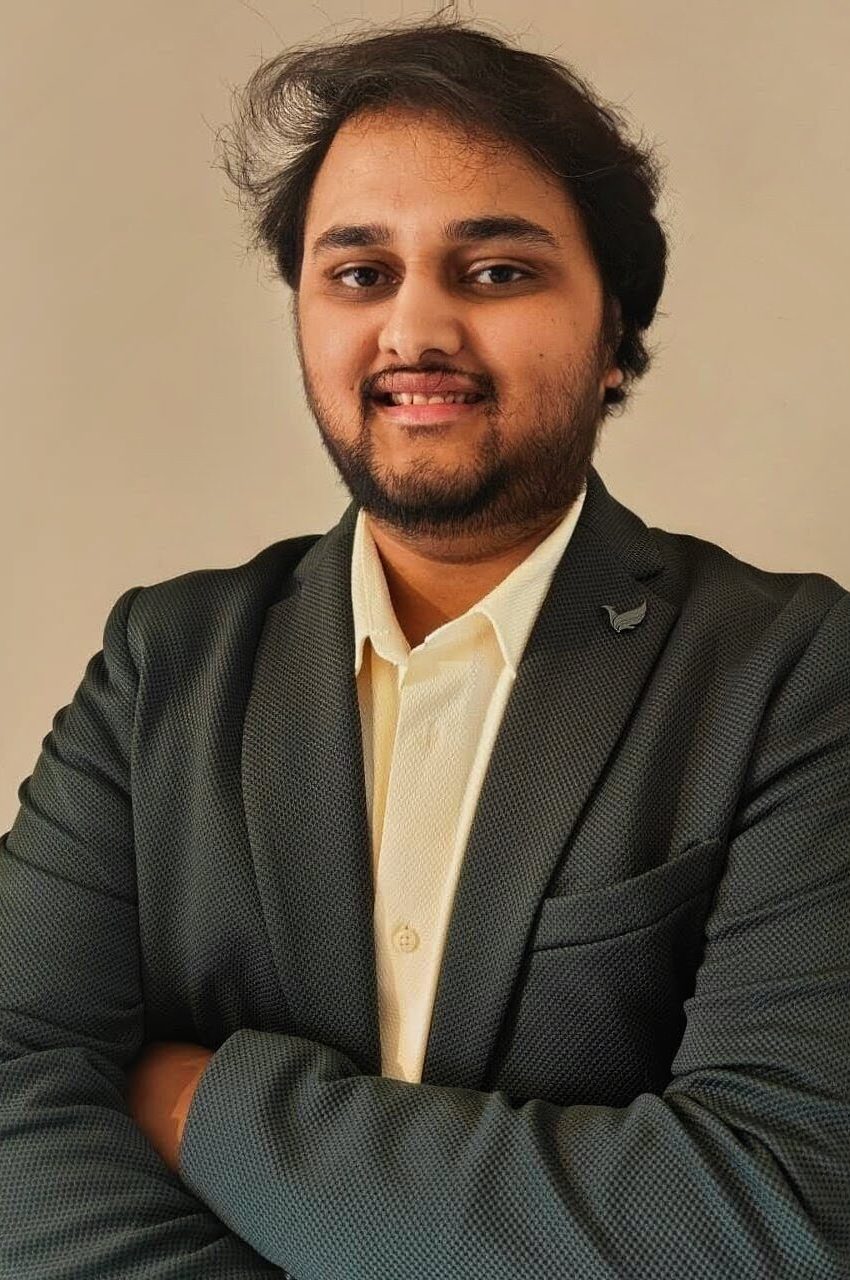
I’m a final year osteopathy student deeply passionate about exploring the body’s innate ability to restore balance through structural and functional integration. This platform reflects my journey of learning, observation, and practice where I blend the timeless philosophy of A.T. Still with modern perspectives on health, movement, and wellbeing. My vision is to make osteopathy more understood, accessible, and respected both as a philosophy and a science of health.

Certifications
0 +
Patients
0 +
Academic excellence
0 %
Photo Siddhant

What is Osteopathy

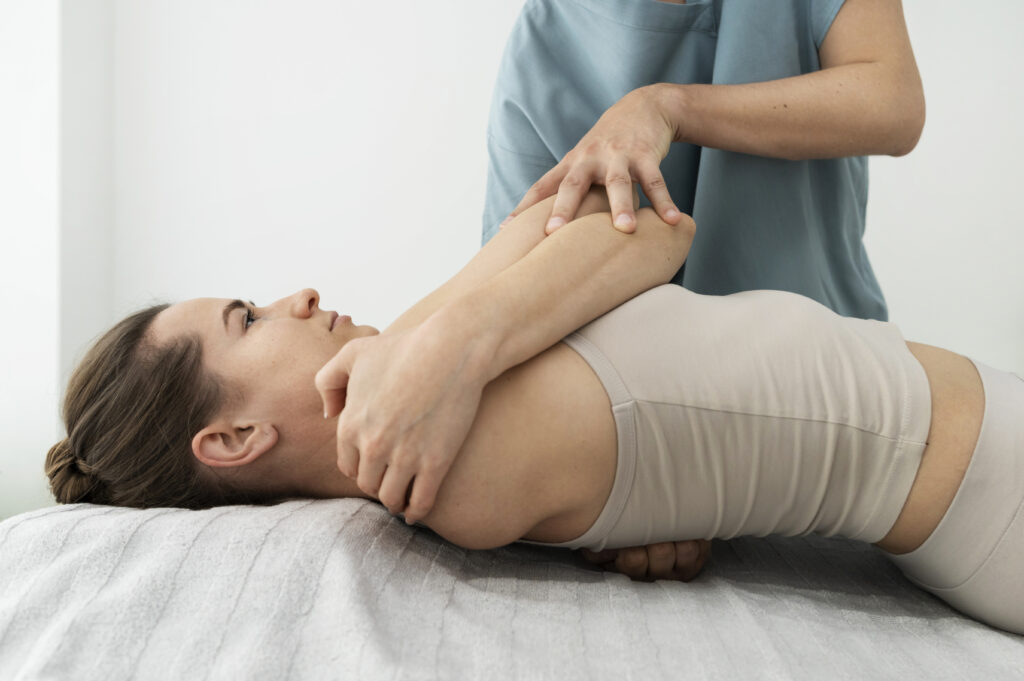
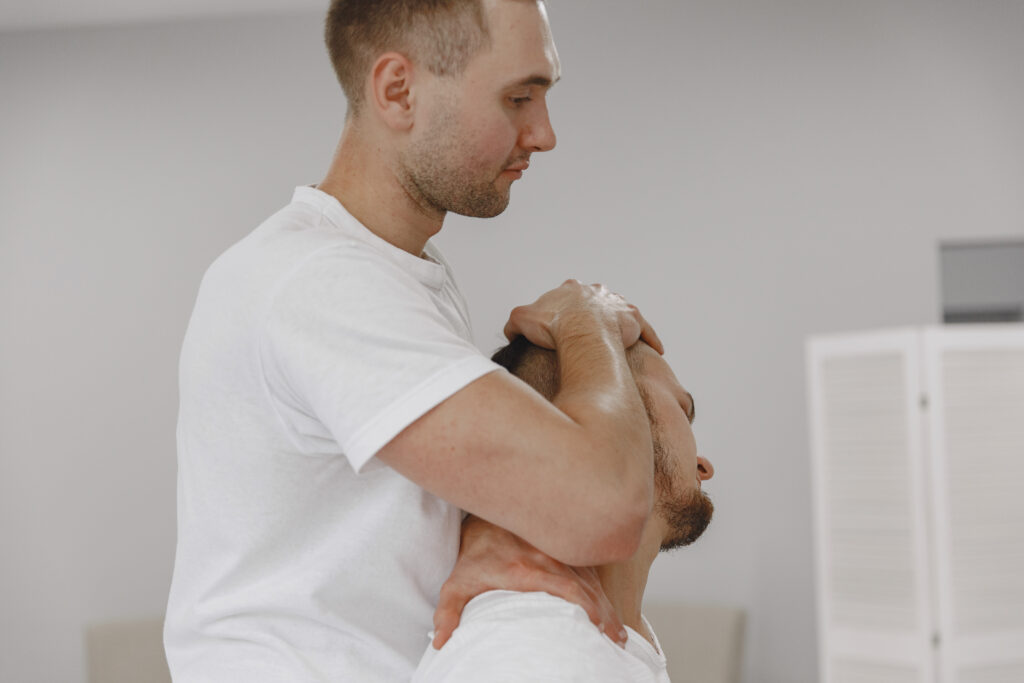
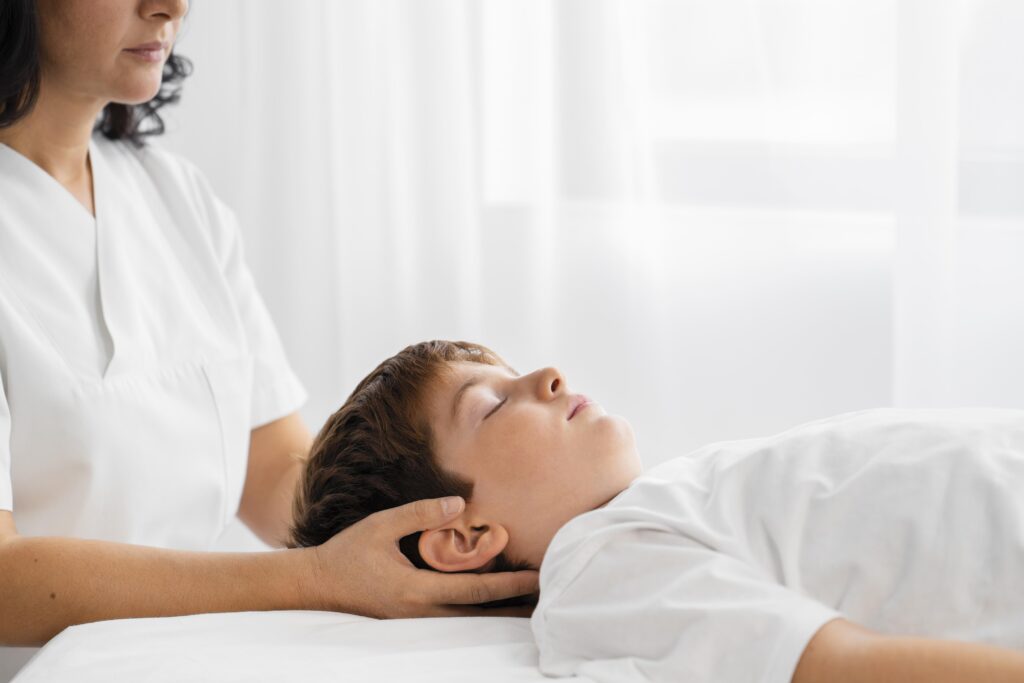
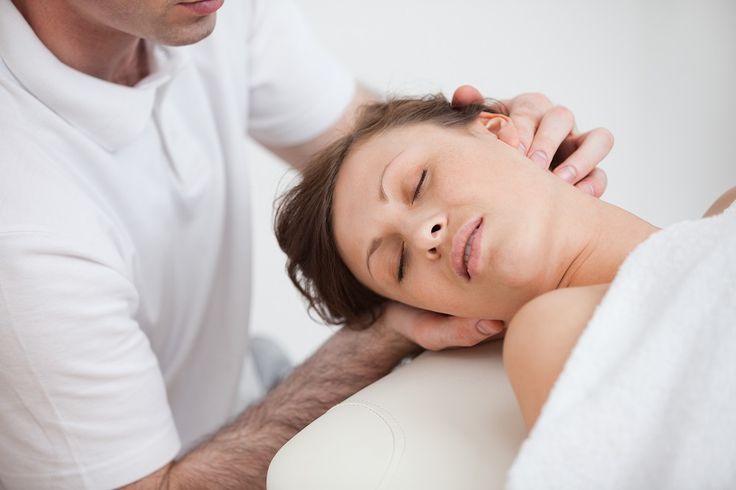
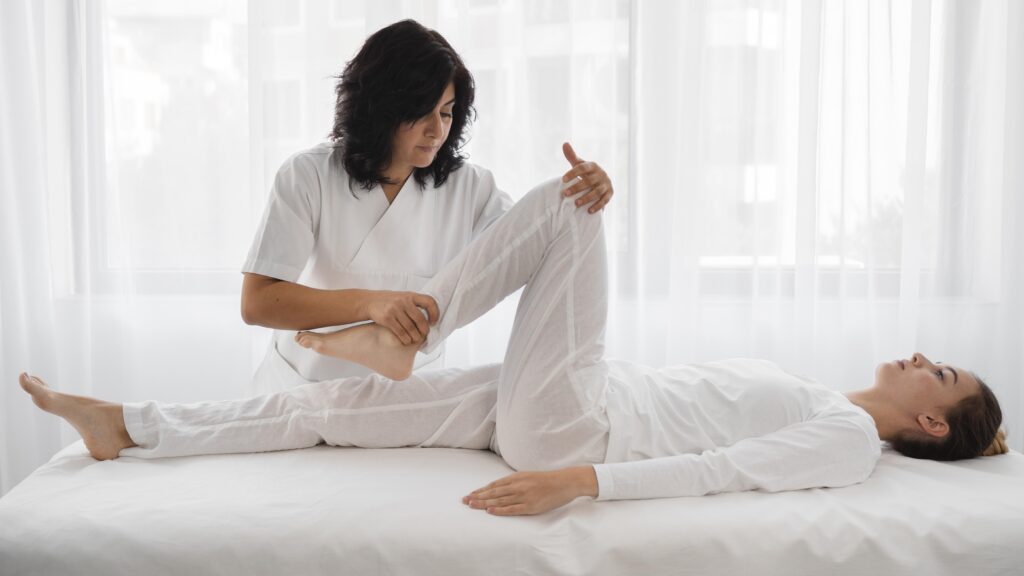
Osteopathy is a holistic approach to healthcare that focuses on diagnosing, treating, and preventing health issues by enhancing the body’s natural ability to heal itself. It emphasizes the interrelationship between the body’s structure and function, particularly how the bones, muscles, joints, and connective tissues work together to maintain overall wellbeing. Osteopaths use hands-on techniques such as stretching, gentle pressure, and manipulation to improve mobility, relieve tension, enhance circulation, and support the body’s balance and alignment.

Unlike conventional medicine, osteopathy views the body as an integrated whole, where physical, emotional, and environmental factors all influence health. It doesn’t just treat symptoms but aims to identify and address the root causes of discomfort or dysfunction. Whether used for back pain, postural issues, sports injuries, or general wellness, osteopathy promotes harmony within the body’s systems, encouraging self-regulation and sustainable health from the inside out.

Osteopathy can help in

Musculoskeletal conditions

Osteopathy addresses musculoskeletal conditions by using manual techniques to restore proper joint movement

Digestive conditions

Osteopathy can help digestive conditions by using gentle, hands on techniques to improve the mobility of organs

Diabetes mellitus related conditions

While osteopathy does not treat diabetes itself, it can help manage improve blood flow

Respiratory conditions

Osteopathy can help respiratory conditions by using manual techniques to improve the mechanics of breathing

Neurological conditions

Osteopathy can support neurological conditions by enhancing nerve function, reduce muscular tension.

Interactive Body map

Osteopathy is a gentle, hands-on approach to healthcare that focuses on treating and strengthening the body’s muscles, joints, and spine. It is based on the principle that your body functions as a single, connected unit—so when one part is not working well, it can affect the whole system.

Osteopathic treatment does not rely on medication or surgery. Instead, it uses safe manual techniques such as soft-tissue stretching, joint mobilization, manipulation, and targeted pressure to restore balance, improve mobility, and relieve pain. Osteopaths aim to identify the root cause of discomfort rather than just treating symptoms.
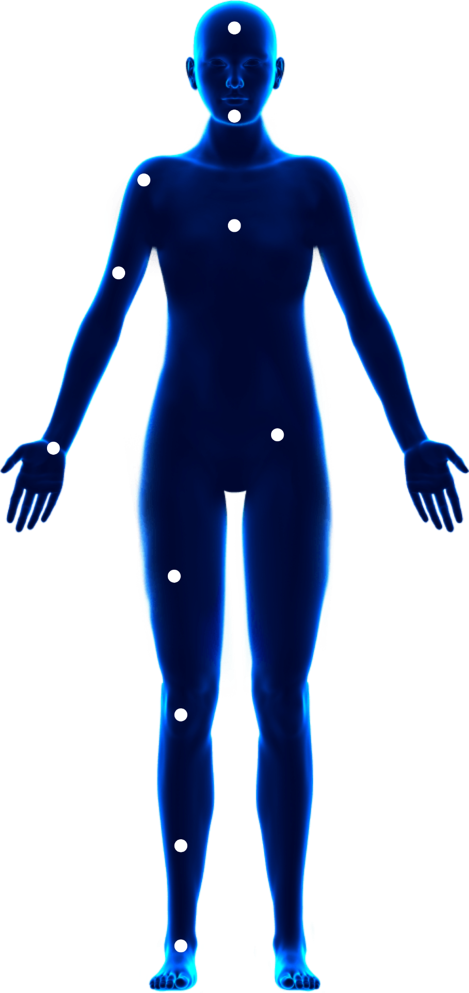
Interactive Body map
Head Jaws Shoulder Pain Chest/upper body pain Arm conditions Wrist and hand Pelvis Upper leg Knee Lower leg Ankle and foot

Head

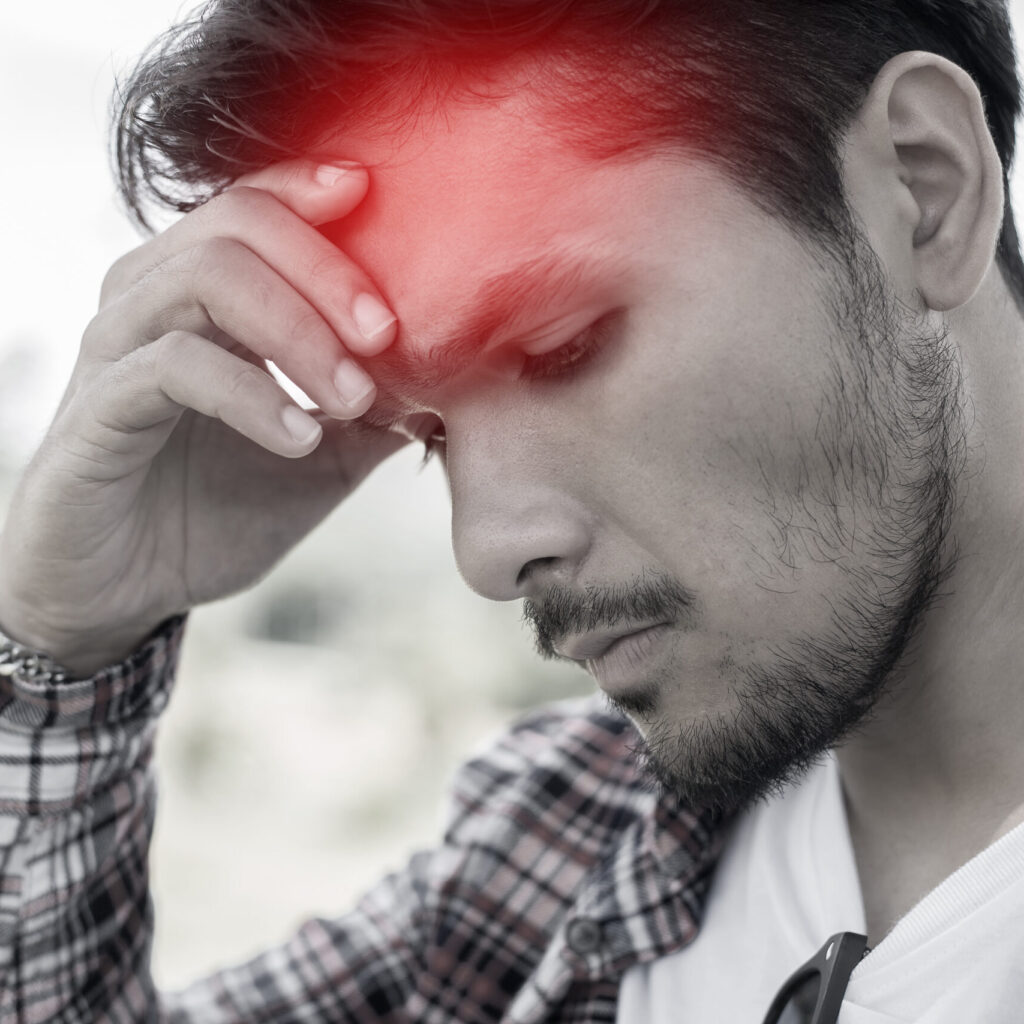
Headaches, migraine and dizziness disorders are some of the most common conditions that people experience worldwide and they negatively impact people’s lives in many ways.

Some osteopaths may also treating concussions and post-concussion syndrome.

Finding an osteopath with the knowledge, training and skills in these fields is vital to ensure that you are being thoroughly assessed, diagnosed and treated properly for your condition so that you receive the best outcomes.

Jaws
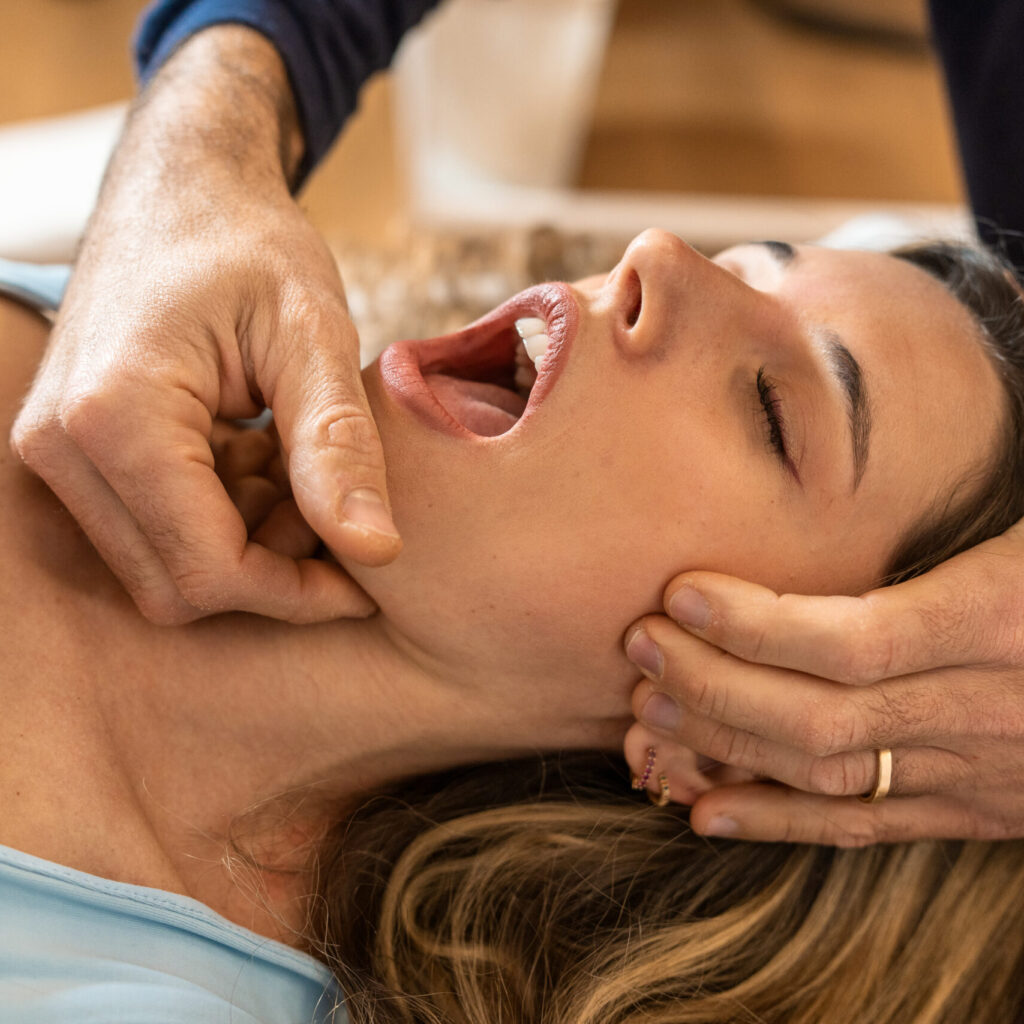
Jaw pain is very common, affecting up to 60 to 70% of the population. Women are at least four times as likely to suffer from the disorder. The temporomandibular joint (TMJ) is the joint that connects the jaw to the skull on each side of the face. Problems can cause pain, abnormal jaw movements and joint noises.

Pain might be caused by muscle tightness or weakness, mobility problems in the jaw or upper spine. Your osteopath will ask you about your lifestyle, medications, activities to find out more about your pain, and will examine your jaw and surrounding areas, often using their hands to feel for any problems. Your jaw pain may be related to other issues, such as headaches or earaches.

Shoulder Pain
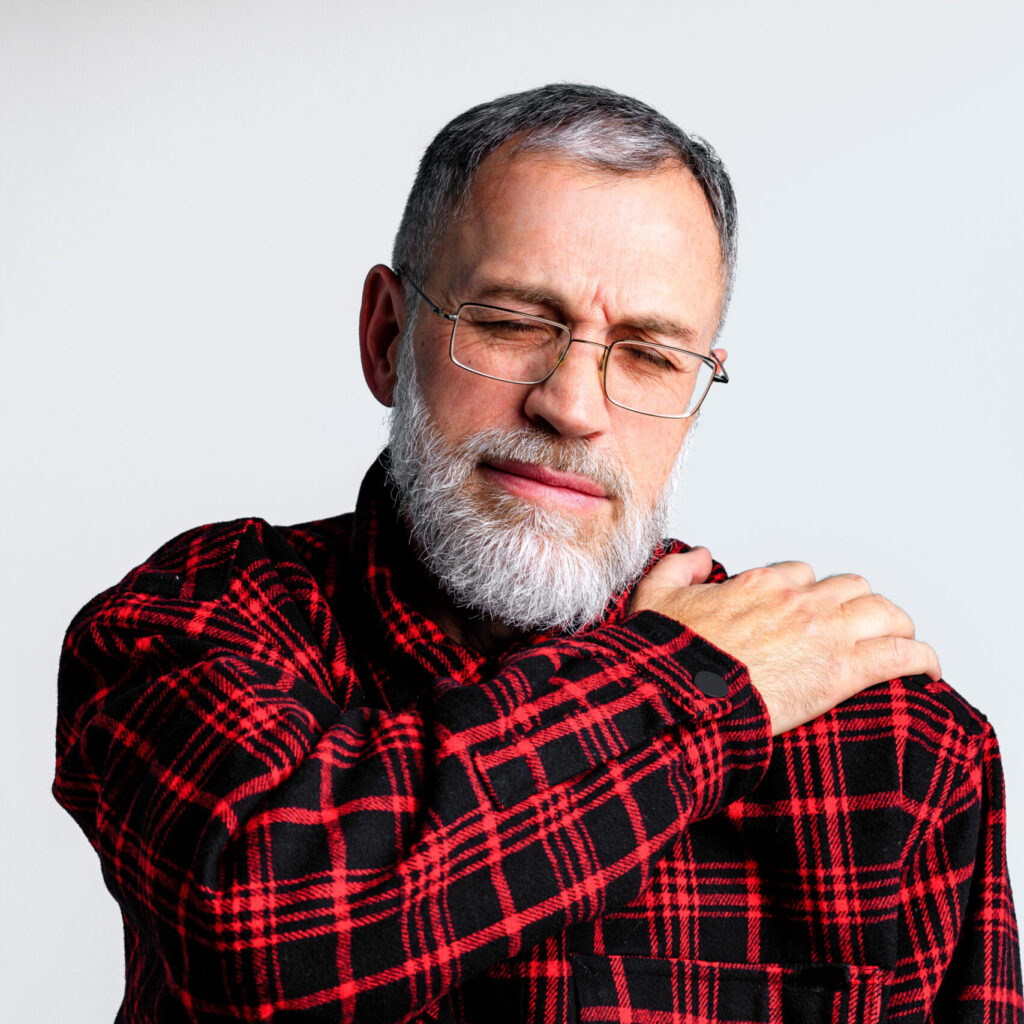
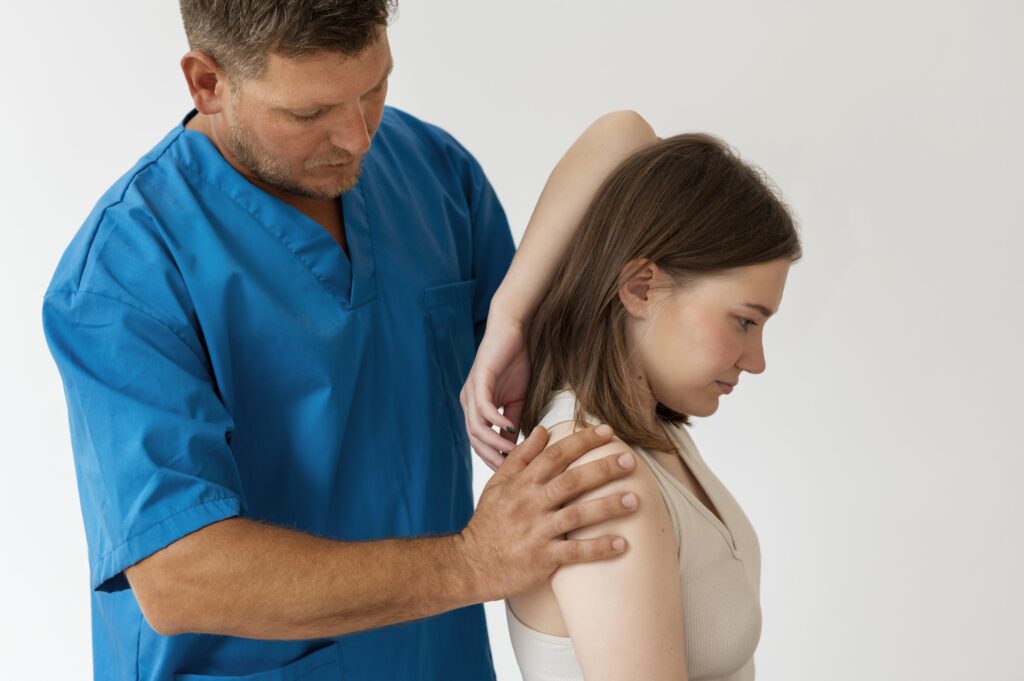
The shoulder joint is complex. Many things can cause shoulder pain. In younger people, shoulder pain is more likely to be due to an accident or injury. However, as you get older, natural wear and tear occurs in the shoulder joint and the rotator cuff tendon. Over time, this may become persistent

Your osteo will assess the area of pain and discuss activities and lifestyle factors that might be relevant to your condition. They will work with you to:

  • Improve muscle flexibility in the shoulder area
  • Improve range of joint motion in the mid back, neck, shoulder blade and shoulder
  • Address postural strains and bad habits
  • Provide advice on maintaining flexibility and strength around the shoulder region
  • Provide exercises for stretching and recovery
  • Help you change the way you do some activities, to help reduce pain and prevent further injury

Chest/upper body pain
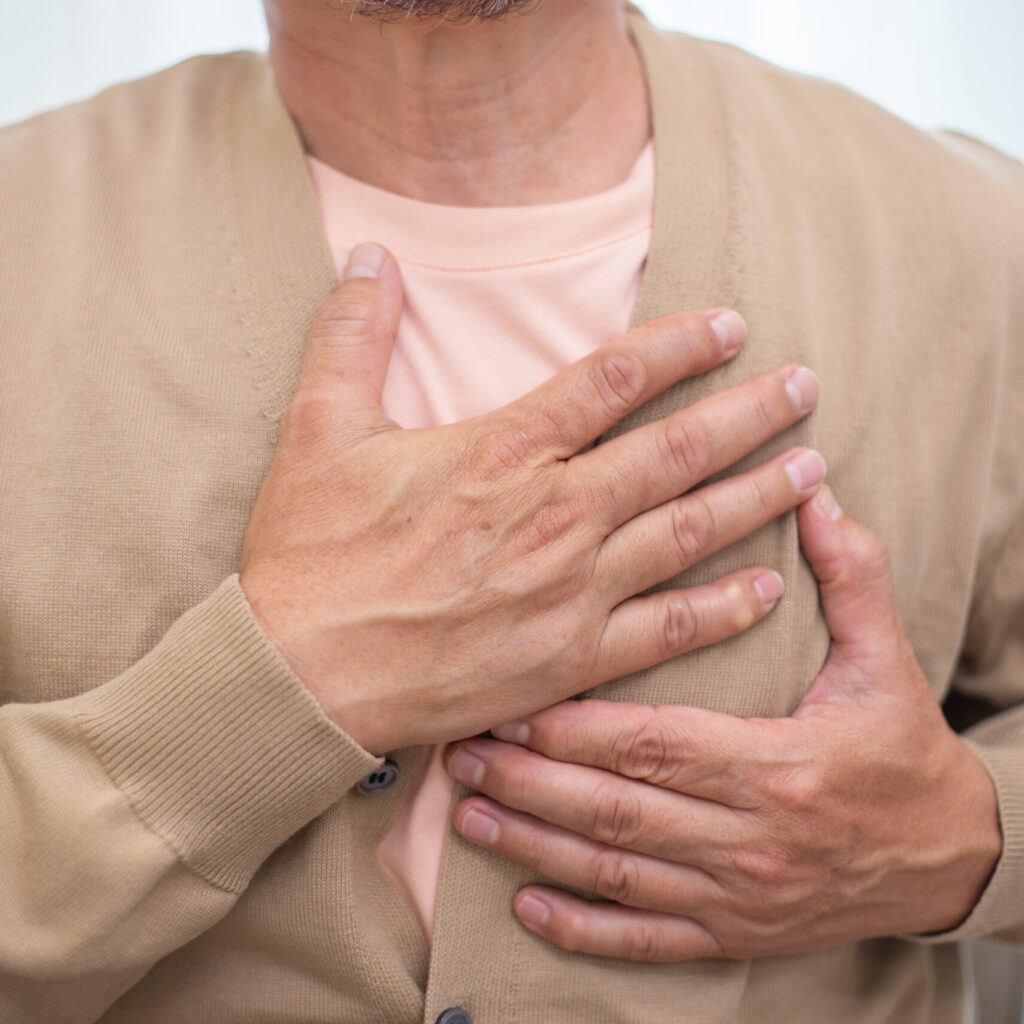
The muscles in and around the chest help with movement of the upper body, arms and neck, but also with vital functions like breathing.

In such a complex area, it is very common for people to experience pain or discomfort in these bones, joints and tissues, for a variety of reasons.

Osteos are trained to manage a broad range of conditions affecting your chest including:

  • Problems with the muscles and other structures in and around the ribcage, such as rib sprain
  • Muscle and joint pain relief for people with breathing conditions, or those recovering from respiratory illnesses

Arm conditions
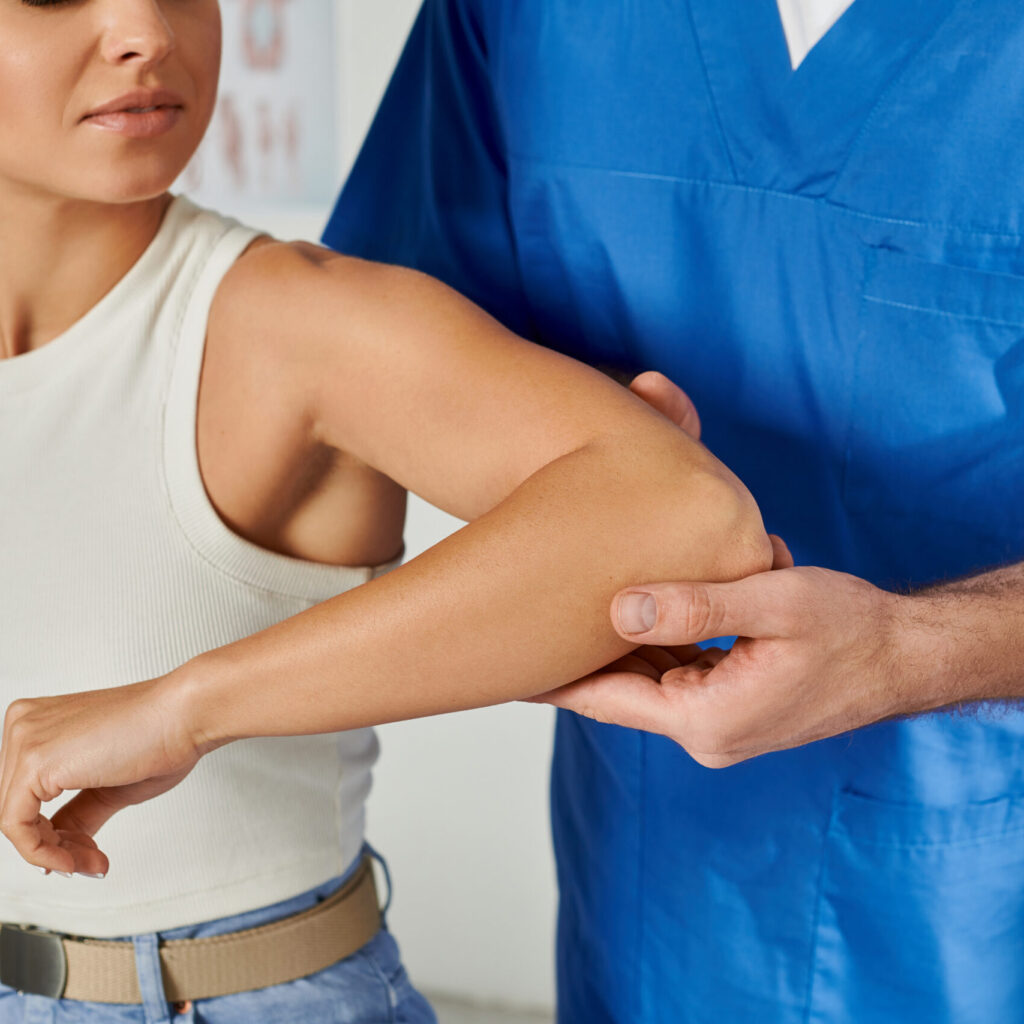
Apart from the elbow, your arm has many important muscles, tendons, nerves and other tissues connecting your shoulder, the upper and lower arm – all the way to your wrist and hands.

Sometimes pain in other areas might come from the arm. For example, shoulder pain could actually be caused by the tendon connecting the bicep to the shoulder. Hand and wrist pain could be caused by problems in the nerves in your arm. Osteopaths know all these interconnecting links between different parts of your body.

Forearm pain can sometimes be caused by overuse – such as too much time on a computer, or too much of one activity. Tell your osteo what activities you do, and they will work with you to manage your way back to being pain free.

Wrist and hand
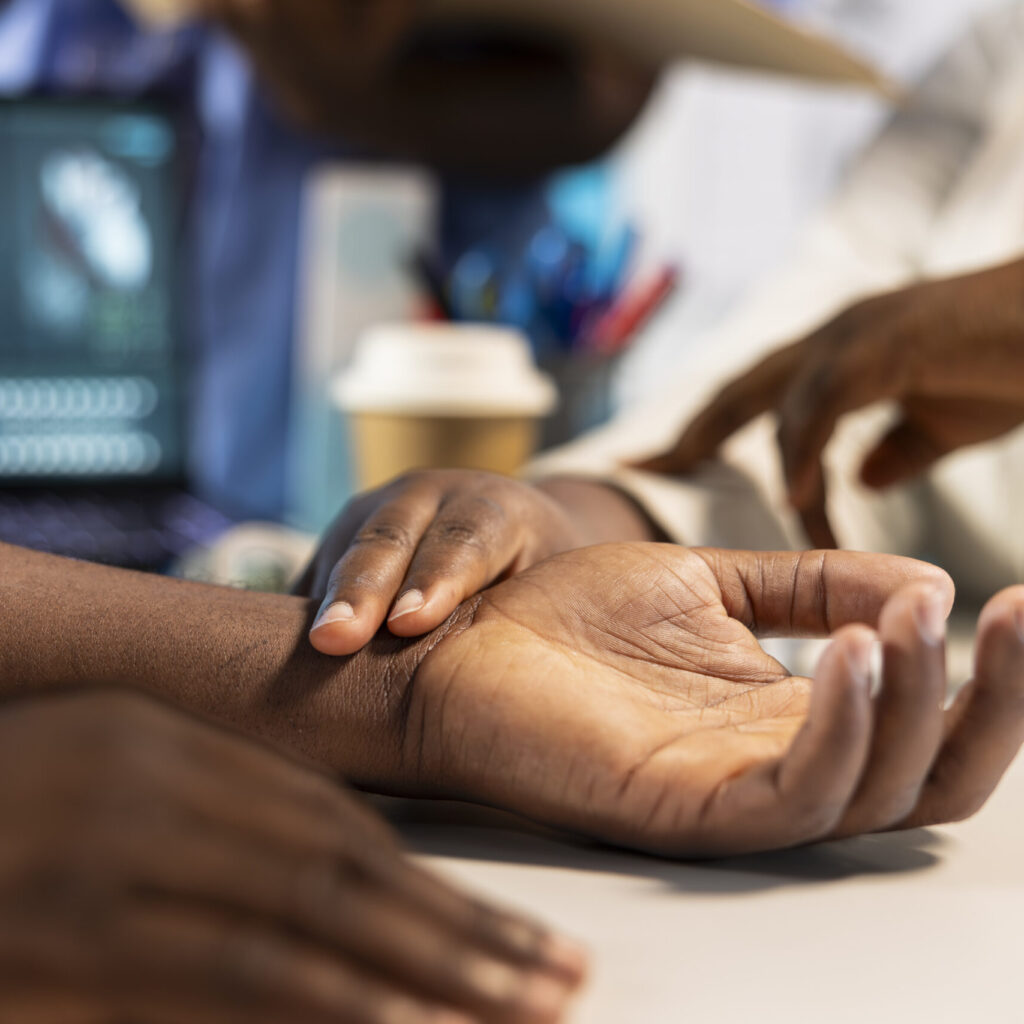
The wrist and hands have many small bones, joints and other tissues. Your wrist or hand problems may be influenced by other parts of your body. Your osteo is highly trained to look at your whole body – to look at the links between your pain and the movements, strength and flexibility of your hand, wrist, elbow, shoulder and even your upper back.

Pelvis
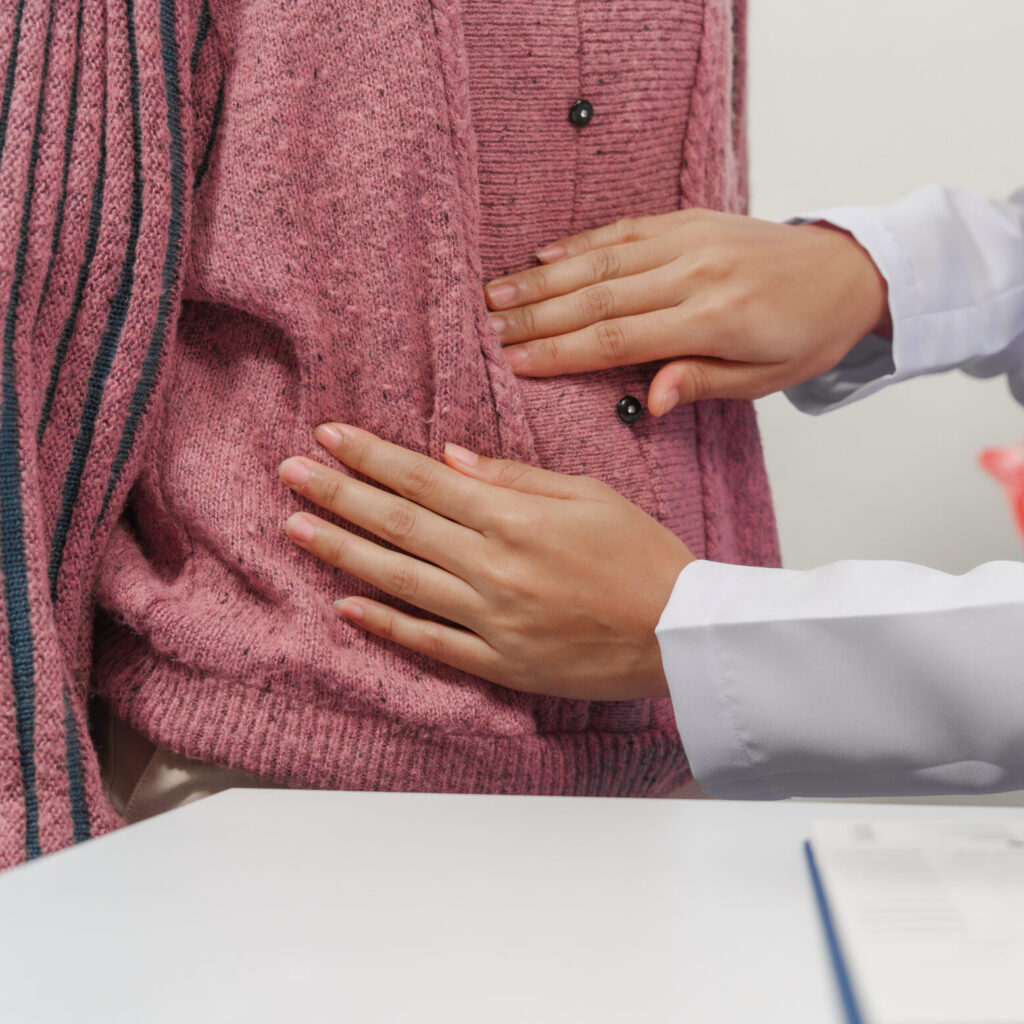
Your pelvis is a complex transition area between your legs and the rest of your body – such as your legs, back, ribs, or shoulders. Osteos take a whole body approach. They are trained to find the links between all these parts of the body and your pelvic pain.

Tell your osteo your story. Tell them about your pain – what you think it is, what makes it worse, how it makes you feel. Your osteo is listening. They will give you the right mix of therapy, support and advice for your condition.

Upper leg
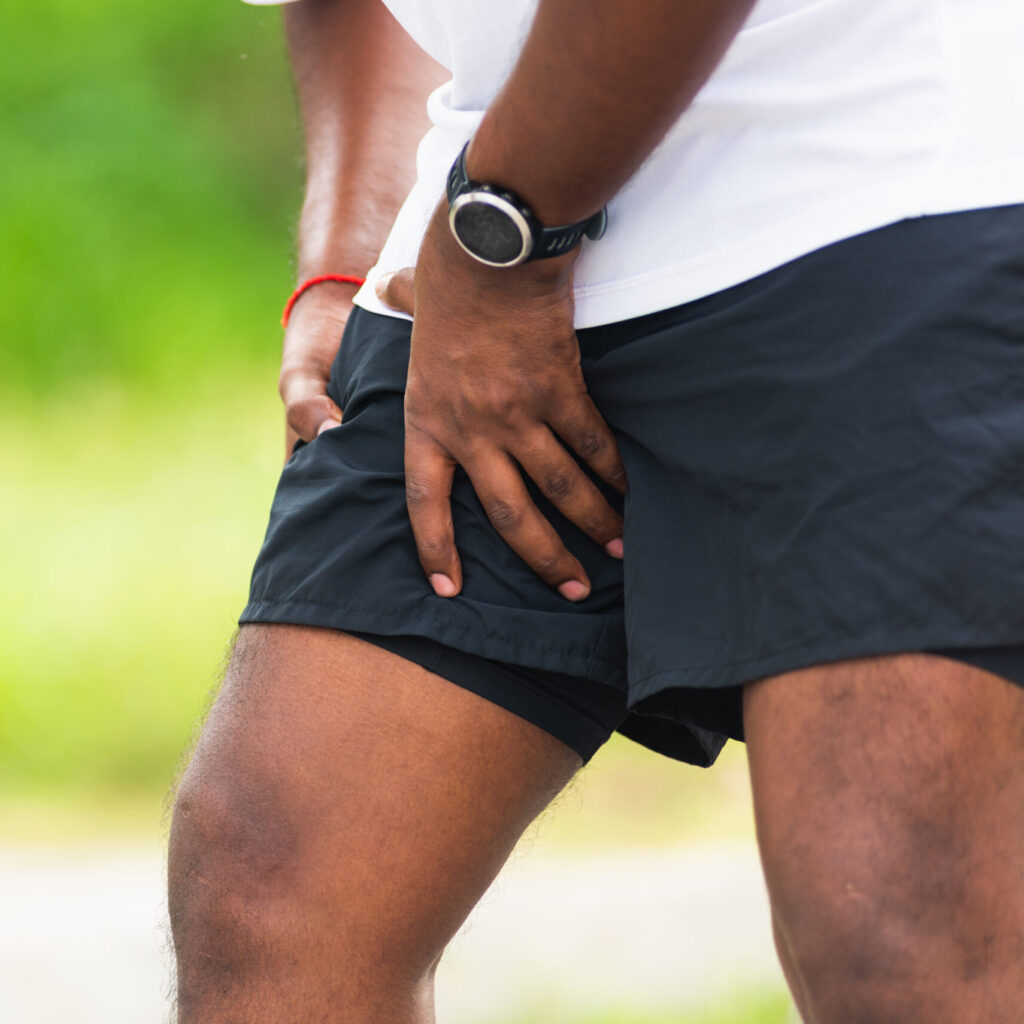
With such large muscle groups working together to help you move and support your body, injuries in your upper leg are very common. The muscles include your gluteals (buttock), quadriceps (thigh), hamstrings (at the back of the leg), and adductors (groin and inside leg), Plus many other tendons and tissues (e.g. your ilio-tibial band, your patella tendon)

Whether you are an elite sportsperson, a weekend warrior or you just like to walk, speak with your osteo about the best approach to manage or prevent an upper leg injury.

Knee
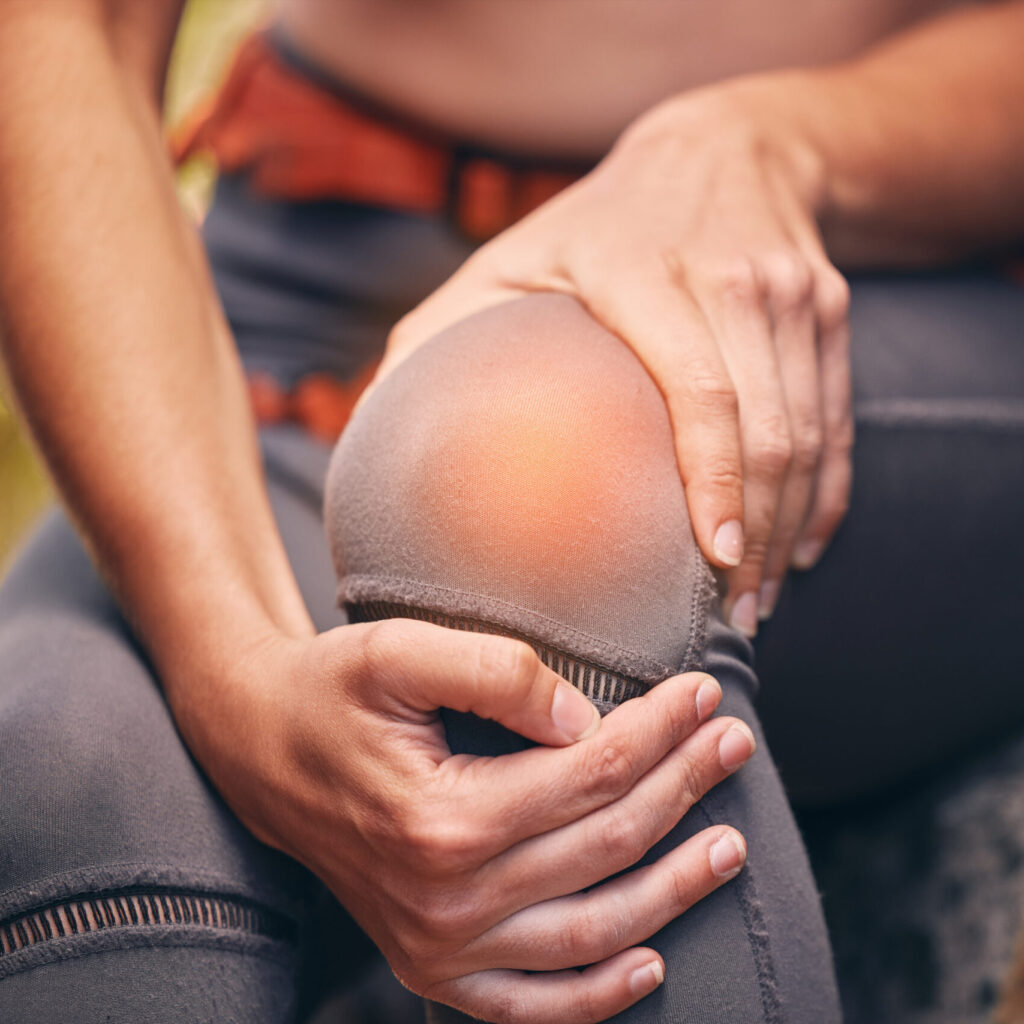
Knee injuries can happen suddenly (e.g. during sport or exercise) or from wear and tear over time. Many knee conditions can be managed with the right combination of advice, exercise and treatment.

Your osteo will find out the cause of your knee pain and help you correct the mechanics of your knee and other joints so that you can move around with confidence and comfort.

An interesting fact – did you know that knee osteoarthritis accounts for 85% of the burden of arthritis worldwide. Key treatments include education, exercise and weight loss.

Talk to your osteo today about how you can manage your knee pain.

Lower leg
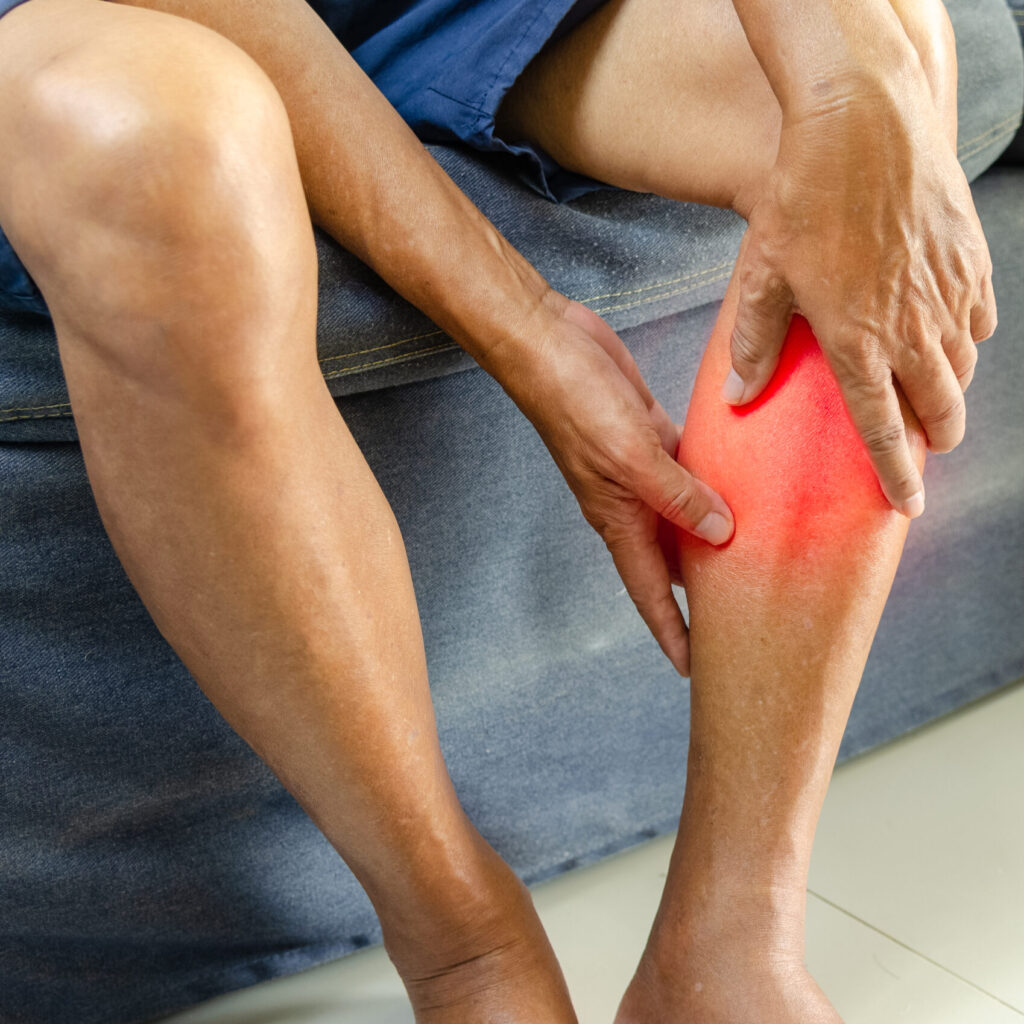
Tell your osteo about your injury, how it happened. Talk about the activities you enjoy and about your general health. They will listen, then work with you on a management plan to get you back on the pitch, on your bike, into the garden, or playing with your grandchildren.

Your osteo may also look for links between your injury and other things that might influence the injury. This might include testing your muscle strength or how you perform certain activities.

Ankle and foot
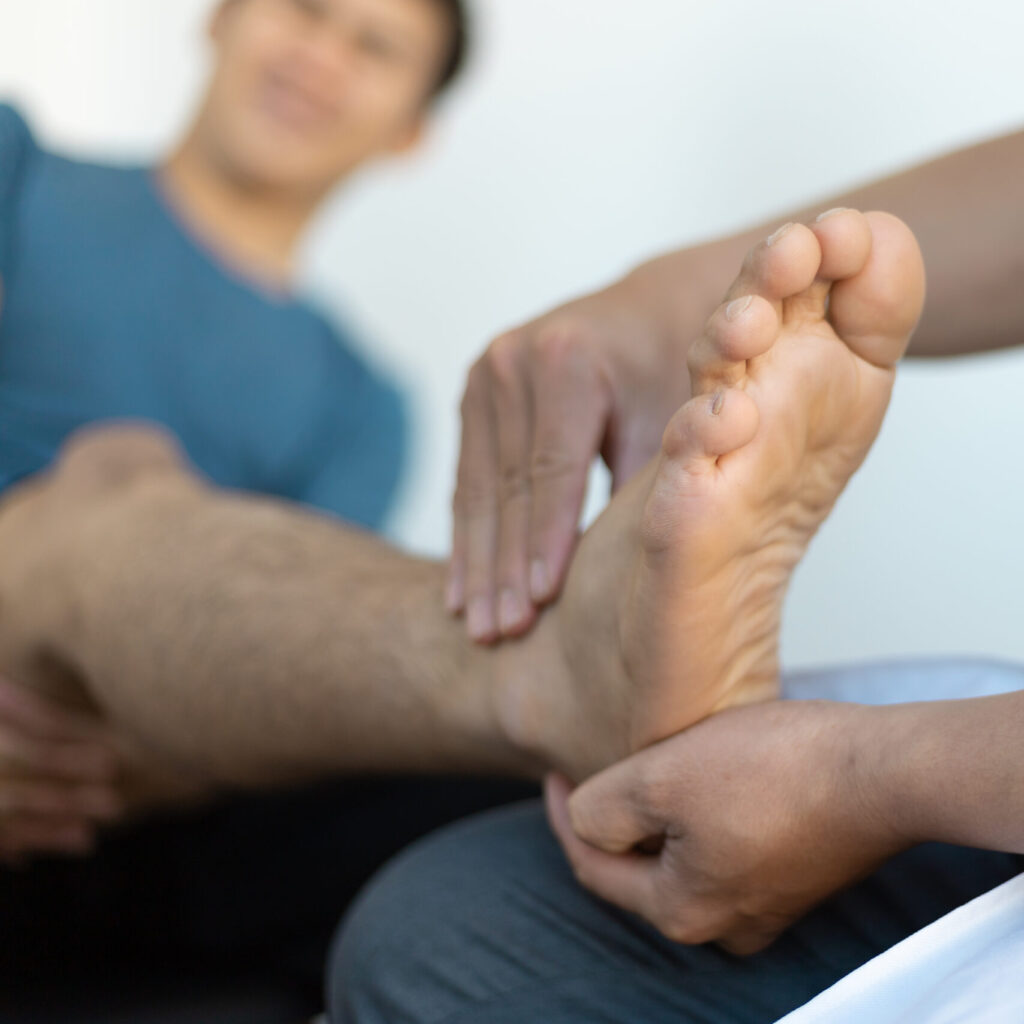
Ankle injuries can take a few days to heal or many months. In addition to sprains, you can injure your ankle in other ways, for example, if your foot rolls inward or you land heavily on your leg. Pain can be in a very specific place or general pain around the ankle, depending on the injury.

Problems with your feet may result in pain or injury further up your body such as your knees, hips or back. It’s important to seek help when you feel pain or when your normal activities become difficult. Your osteo will advise and treat your injury and tell you about how you can get moving again.
Process of Osteopathy

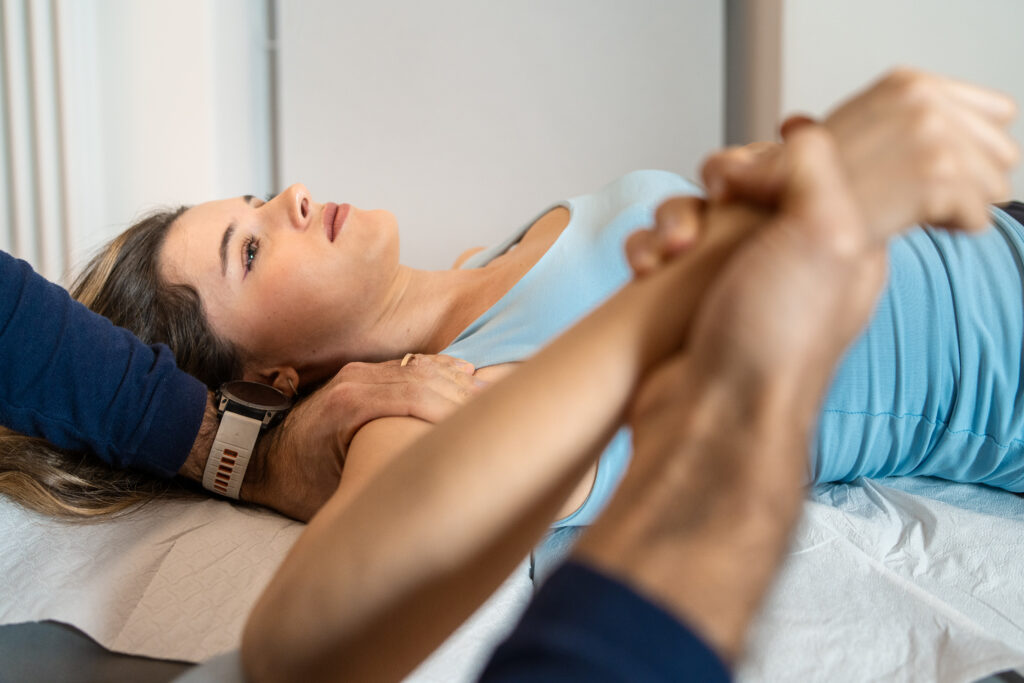
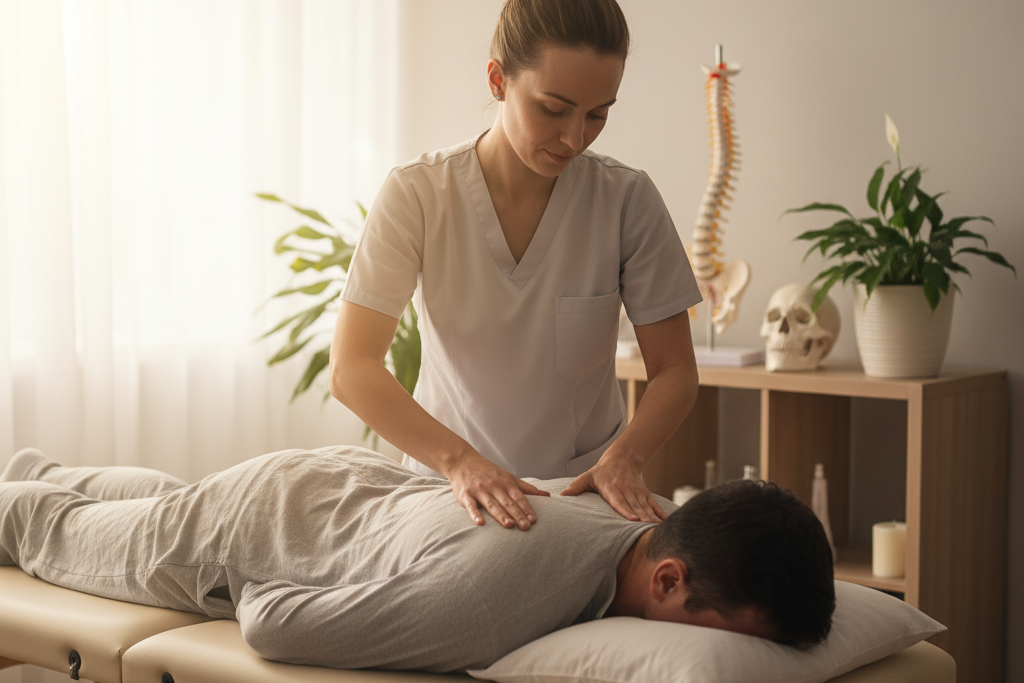
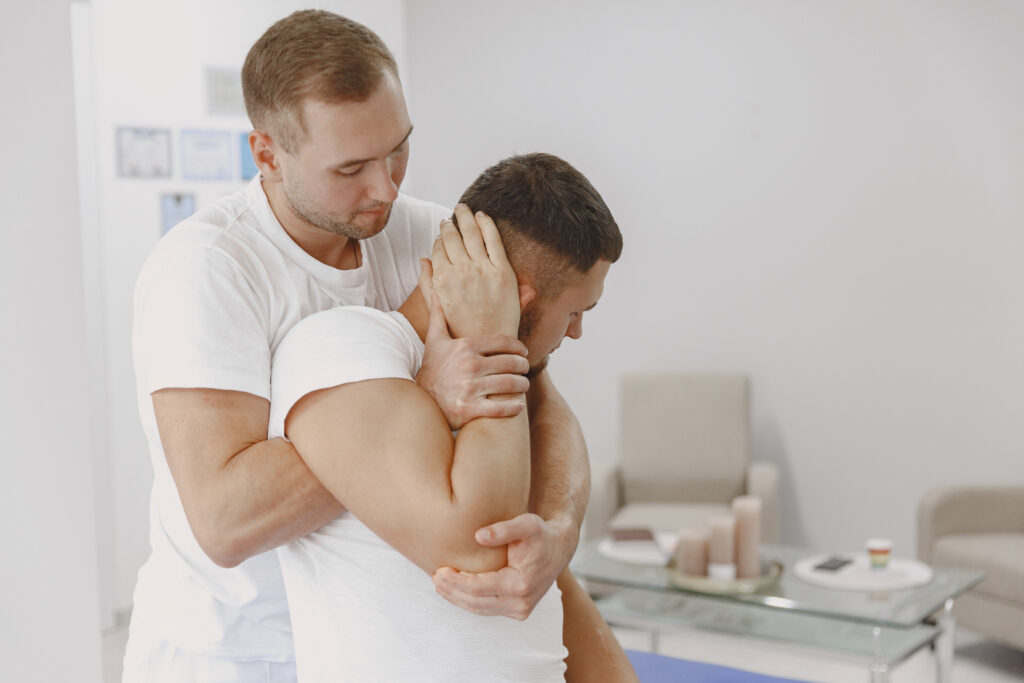
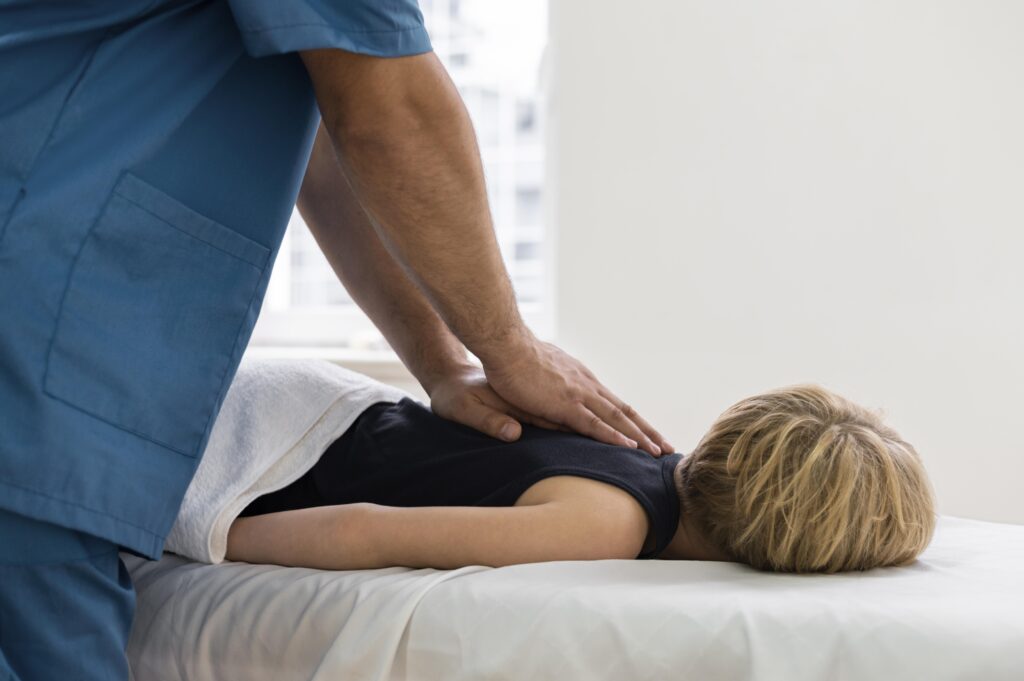
The osteopathic process unfolds through four essential steps designed to restore balance and promote natural healing. It begins with physical assessment, where posture, movement, and muscle function are carefully examined to identify areas of tension or restriction. This leads to a clear diagnosis, connecting the body’s structural issues with the underlying causes of discomfort or dysfunction. Through personalized treatment, gentle hands-on techniques are used to release tight muscles, improve joint mobility, and enhance circulation. Finally, the recovery phase focuses on guiding the body toward lasting balance, supported by tailored advice on posture, exercise, and lifestyle to maintain overall wellbeing.

  • Physical assessment
  • Diagnosis
  • Treatment
  • Recovery

Osteopathy way of thinking

Osteopathy can cure these areas in a very effective way trusted by millions

Constipation due to Sacral Dysfunction

Constipation can occur when sacral dysfunction interferes with the parasympathetic nerves from S2–S4 that regulate hindgut activity. Trauma, prolonged sitting, or altered sacral mechanics can restrict mobility, reduce signaling, and weaken circulation, slowing peristalsis and affecting bowel habits. Osteopaths use palpation to assess sacral motion, fascial tension, and lumbosacral balance, applying gentle mobilization and myofascial techniques to restore proper function. As sacral mobility improves, parasympathetic tone increases and the gut returns to a healthier rhythm, leading to easier bowel movements and better pelvic comfort.

Key points:

  • Sacral dysfunction disrupts S2–S4 parasympathetic control.

  • Restricted sacral motion slows peristalsis.

  • Osteopaths assess mobility, fascia, and balance.

  • Treatment restores function and improves bowel habits.

Headaches Linked to Upper Cervical Strain

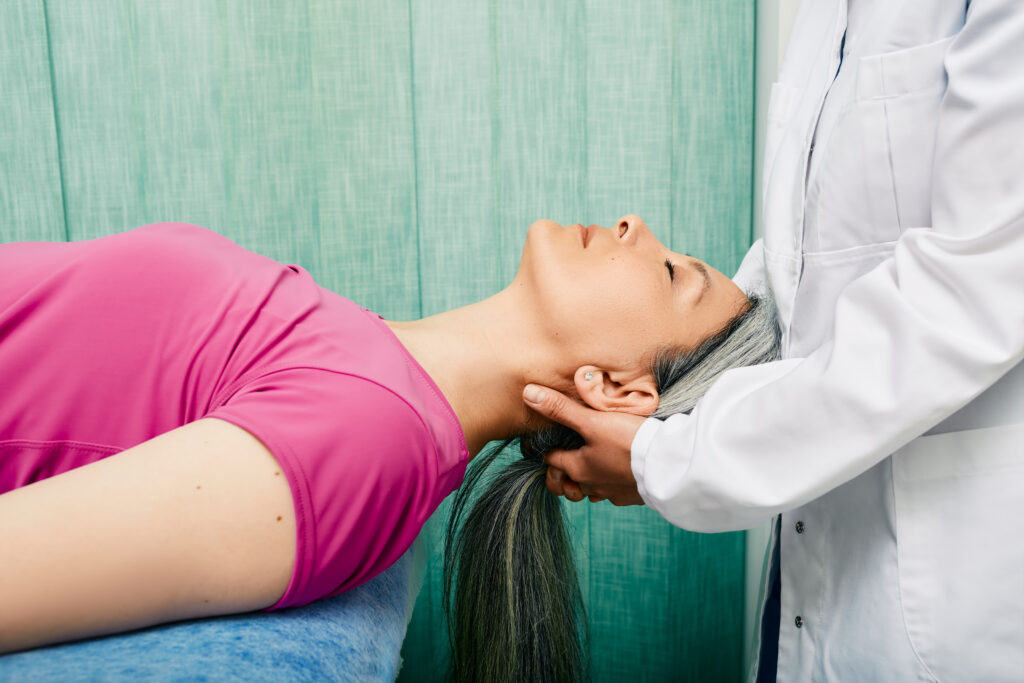
The upper cervical spine, especially C1 and C2, has a strong connection to the trigeminal nucleus caudal is through the trigeminocervical complex, which allows irritation of cervical afferents from C1–C3 to refer pain into the head as occipital or frontal headaches. Factors such as forward head posture, old whiplash injuries, and chronic neck tension can create dysfunction in the atlanto-occipital or atlantoaxial joints, leading to muscular guarding, altered sensory input, and even mild vascular compromise of the vertebral artery. Osteopathic evaluation examines motion quality, suboccipital muscle tension, and cranial base alignment to identify contributing dysfunctions. Treatment involves gentle articulation, cranial base release, and balancing of reciprocal tension membranes to reduce abnormal signalling within the trigeminocervical system, helping patients experience reduced headaches and improved cervical mobility.

Key points:

  • Upper cervical dysfunction irritates C1–C3 afferents linked to headaches.

  • Poor posture or past trauma increases strain on C0–C2 joints.

  • Osteopaths assess motion, suboccipital tension, and cranial base alignment.

  • Treatment normalizes input and decreases headache frequency and intensity.

Breathing Difficulties Due to Rib and Diaphragm Restrictions

The phrenic nerve, originating from C3 to C5, powers the diaphragm, which is essential for efficient breathing. Free rib cage motion is necessary for full diaphragmatic descent, but restrictions in the thoracic spine, costovertebral joints, or intercostal muscles can lead to shallow, inefficient respiration. These issues may arise after viral illness, during periods of anxiety, or following surgeries such as thoracotomy or C-section. Osteopathic care may include rib raising, thoracic inlet release, and gentle techniques to free diaphragmatic attachments to the lower ribs, lumbar spine, and central tendon. These approaches help restore rib mobility, decrease sympathetic tension, and enhance diaphragmatic function, allowing patients to breathe more deeply with improved oxygenation and a greater sense of relaxation.

Key points:

  • Restrictions in the thoracic cage reduce diaphragmatic efficiency.

  • Causes include post-viral tension, anxiety, or surgical trauma.

  • Osteopaths assess rib motion, thoracic mobility, and diaphragm attachments.

  • Treatment improves breathing depth, oxygenation, and relaxation.

Chronic Pelvic Pain or Dysmenorrhea

The uterus and pelvic organs receive sympathetic supply from T10–L2 through the hypogastric plexus and parasympathetic input from S2–S4, making the region highly sensitive to mechanical and neurological tension. Restrictions in the lumbosacral junction, pelvic diaphragm, or inguinal fascia can irritate visceral afferents, often developing from trauma, childbirth, surgical scarring, or long-term postural imbalance. Osteopathic care may involve visceral manipulation, pelvic diaphragm balancing, and sacral release to restore healthy autonomic signaling. As these dysfunctions resolve, patients frequently notice reduced cramping, decreased pelvic heaviness, and improved menstrual rhythm due to better autonomic balance, enhanced circulation, and freer mechanical support around the uterus.

Key points:

  • Pelvic organ function is influenced by T10–L2 and S2–S4 autonomics.

  • Trauma, childbirth, scars, or posture can create restrictive tension.

  • Treatment addresses visceral mobility, pelvic diaphragm, and sacrum.

  • Results include less cramping, improved flow, and reduced pelvic heaviness.

Recovery After Injury or Surgery

After an injury, even when tissues have healed, the body may hold onto compensatory patterns such as fascial tightness, restricted joints, or altered proprioceptive signaling that disrupt coordination, balance, and efficient movement. Osteopathic practice looks for and treats these subtle patterns by addressing the body as an interconnected system releasing the diaphragm can improve lumbar mobility, and freeing the thoracic inlet can enhance lymphatic flow in the upper limb. By restoring healthy mechanical relationships and normal neuromuscular communication, patients regain smoother movement, improved posture, and reduced likelihood of reinjury. This holistic recovery supports long-term resilience and functional balance. The following are the certificates I have collected as part of my learning journey.

Key points:

  • Compensatory patterns persist even after tissue healing.

  • Restrictions affect coordination, posture, and balance.

  • Osteopathic work restores mobility and neuromuscular signaling.

  • Results include smoother movement and reduced reinjury risk.

Combination of Peacefulness & Physical health

Osteopathy is a one-stop solution for both long-term  physical health, guided by top health professionals and trusted by millions of patients